In today's rapidly evolving warehouse landscape, businesses face increasing demands for efficiency and accuracy. Automated Storage and Retrieval Systems (ASRS Systems) are becoming the preferred choice to handle these challenges. According to a recent report by the Warehousing and Fulfillment 2023 Industry Analysis, ASRS implementation can boost warehouse efficiency by up to 30%. As companies strive for higher productivity, these systems provide a strategic advantage.
"ASRS Systems can transform the way we manage inventory," says John Smith, a leading expert in warehouse automation. His insights reflect a growing trend where warehouses must adapt to changing market needs. With ASRS Systems, businesses can reduce labor costs and minimize human error. However, the initial investment and integration challenges cannot be ignored.
The adoption of ASRS Systems is not without its obstacles. Organizations must carefully assess their operational needs. Outdated processes may hinder potential benefits. Acknowledging these complexities helps ensure that the transition to automation is both effective and sustainable. Embracing ASRS Systems may be the future, but businesses must approach it with a thoughtful strategy.
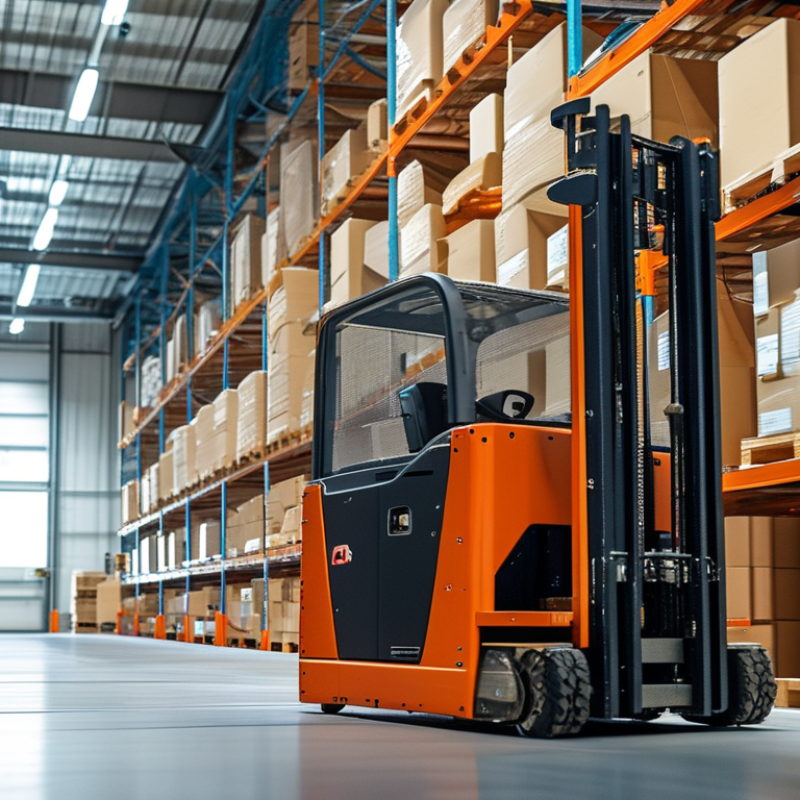
Automated Storage and Retrieval Systems (ASRS) are transforming warehouse operations. Businesses benefit from improved efficiency and reduced labor costs. A report by the Warehousing Education and Research Council indicates that ASRS can enhance storage density by up to 60%. This maximizes space utilization and accommodates more inventory without requiring larger facilities.
In addition to space savings, ASRS systems boost picking accuracy. Research shows that automation can reduce picking errors by 15-30%. Fewer mistakes lead to better customer satisfaction. However, implementing these systems demands significant upfront investment. Companies must assess whether the long-term benefits outweigh the initial costs.
ASRS can also lead to energy savings. According to the U.S. Department of Energy, automated solutions can lower energy consumption by 20%. This not only cuts costs but also contributes to sustainability goals. While these systems are advantageous, they are not a one-size-fits-all solution. Organizations need to evaluate their specific needs and operational workflows before making a decision.
| Benefit | Description | Impact on Operations |
|---|---|---|
| Increased Efficiency | Automated systems reduce the time spent on storage and retrieval tasks, leading to faster order fulfillment. | Boosts overall productivity, allowing more orders to be processed in less time. |
| Space Optimization | Maximizes the use of vertical space, which can significantly increase storage density within the warehouse. | Lowers real estate costs and reduces the need for additional warehouse space. |
| Improved Accuracy | Reduces human error in inventory handling by using precise automated processes. | Enhances customer satisfaction due to fewer order discrepancies and returns. |
| Cost Savings | Decreases labor costs by minimizing the number of employees needed for warehouse operations. | Increases profitability by lowering operational expenses over time. |
| Scalability | Systems can be easily scaled to meet growing business needs and increased inventory volumes. | Facilitates expansion without significant overhauls of existing infrastructure. |
utomated Storage and Retrieval Systems (ASRS)?
ASRS can enhance storage density by up to 60%, maximizing space usage in warehouses.
Yes, ASRS can reduce order fulfillment times by up to 50%, which helps meet customer expectations.
Implementing ASRS can reduce workforce requirements by about 30%, leading to significant labor cost savings.
Yes, implementing ASRS requires a significant upfront investment that companies must consider.
ASRS can lower energy consumption by 20%, aiding both cost reduction and sustainability efforts.
Not entirely. Workers may need retraining, as ASRS requires a balance between technology and human skills.
Each organization has unique needs and workflows, making it essential to evaluate specific operational requirements before implementation.
Businesses must weigh the long-term benefits against the initial costs and potential retraining challenges.
ASRS can reduce picking errors by 15-30%, leading to better customer satisfaction and fewer mistakes.
Automated Storage and Retrieval Systems (ASRS Systems) have become increasingly vital in modern warehousing, offering numerous benefits that enhance operational efficiency. These systems significantly improve inventory management, allowing for faster retrieval of items while minimizing human error. Key statistics demonstrate that warehouses utilizing ASRS experience substantial efficiency gains, ultimately leading to greater productivity.
Cost-effectiveness is another major advantage of ASRS Systems, as they help reduce operational expenses by optimizing space utilization and lowering labor costs. Furthermore, their flexibility and scalability allow companies to adapt ASRS to meet various warehouse needs, ensuring they can grow and evolve alongside market demands. Implementing ASRS not only enhances inventory accuracy but also contributes to a safer working environment, making it an essential choice for businesses aiming to advance their automation strategies.

 Durack