How to Choose the Best 4-Way Shuttle Storage Solutions?

Time:2026-08-26 Author:Amelia
0%

In today's fast-paced logistics industry, efficient storage solutions are vital. The rise of e-commerce has driven companies to optimize their warehousing capabilities. According to a report by Technavio, the global automated storage market, which includes 4-Way Shuttle Storage systems, is projected to grow by over $11.4 billion by 2025. With this growth, choosing the right system can be challenging.

4-Way Shuttle Storage offers flexibility and maximized space utilization. These systems can navigate in all four directions, enhancing product accessibility. However, not all solutions fit every company's needs. Costs, scalability, and system compatibility must be considered. A poor choice can lead to wasted resources and inefficiencies, rather than the expected streamlined operations.

Understanding the specifications and capabilities of various systems is crucial. Relying on industry benchmarks and expert insights can guide businesses toward making informed decisions. The right 4-Way Shuttle Storage system can transform operations and yield substantial returns, but the process requires careful reflection and analysis.
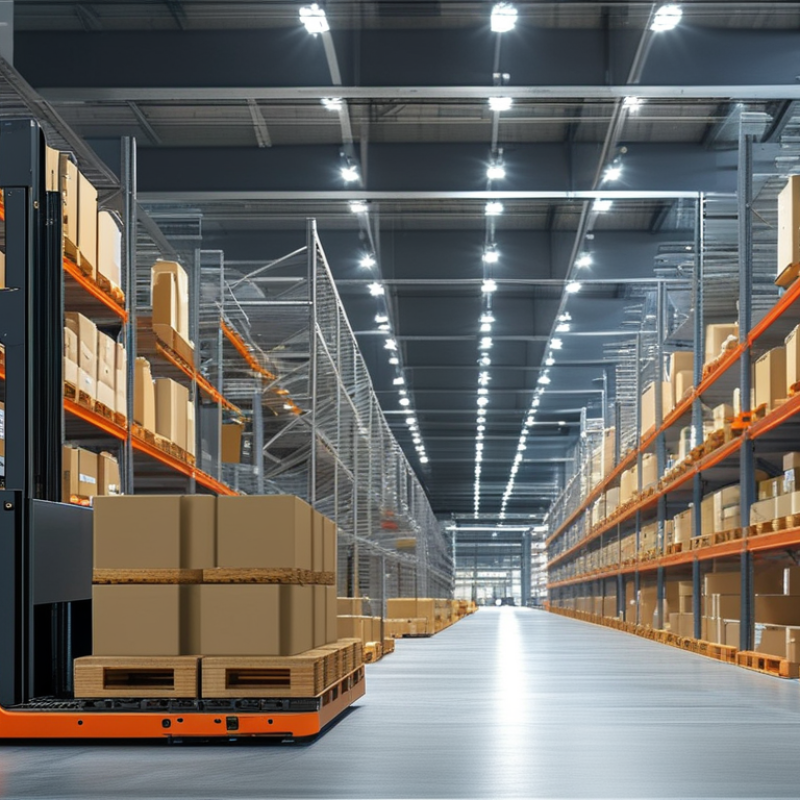
How to Choose the Best 4-Way Shuttle Storage Solutions?

Overview of 4-Way Shuttle Storage Systems

When considering 4-way shuttle storage systems, it's essential to grasp their core functionalities. These systems offer efficient space management through a modular design. Items can be stored and retrieved from multiple directions. This flexibility enhances accessibility, especially in warehouses with high inventory turnover. A well-implemented 4-way system can drastically reduce pick times.

The mechanics of 4-way shuttles can seem intricate. They rely on fast and discrete movements. These shuttles operate on multiple levels, enabling high-density storage. However, the complexity can lead to potential pitfalls. For instance, improper integration with existing systems may cause workflow disruptions. Regular maintenance is crucial to avoid costly downtimes. Observing real-life implementations can shine a light on these challenges.

Choosing the right 4-way storage solution involves a strategic approach. Assess your inventory needs and available space. Not all shuttle systems will fit every operation. User feedback is vital in this selection process. Companies should prioritize solutions that align with their specific requirements. This ensures reliability and efficiency in storage operations.

Key Features to Consider When Choosing Storage Solutions

When considering 4-way shuttle storage solutions, several fundamental features are essential for effective selection. Space optimization is crucial, as these systems should maximize vertical usage. A well-designed system can double your storage capacity without expanding the footprint. Understanding the dimensions and layout of your specific area can lead to better choices.

Flexibility is another important aspect. A storage solution should adapt to your evolving needs. For instance, you may require different configurations for varying stock levels. A reliable system offers adjustable shelving or modular setup. It’s wise to reflect on how often your storage needs may change. If you lack foresight, you could end up with a rigid solution that doesn’t serve you well over time.

Lastly, consider the ease of access. Efficient retrieval of items can significantly reduce downtime. Whether you work with inventory or warehouse tasks, how easily you can load and unload matters. Evaluate the ergonomic design and user interface. Sometimes, systems appear advanced but are challenging to operate. Prioritize reliability; a system that frequently malfunctions can lead to frustration and lost productivity.

Evaluating Space Efficiency in 4-Way Shuttle Systems

When considering 4-way shuttle storage systems, space efficiency is crucial. These systems can maximize vertical and horizontal storage capabilities. They utilize narrow aisles, ensuring high-density stacking. It’s important to assess your warehouse layout before implementation. Measure dimensions carefully to avoid unexpected constraints.

To enhance space efficiency, think about your inventory turnover. Fast-moving items should be easily accessible. Place them near the retrieval points in your shuttle system. This approach minimizes handling time. Additionally, review cycle counts regularly to adapt to changing storage needs.

It’s vital to involve staff in the selection process. Their insights can reveal practical challenges that might not be apparent. Observing current workflows helps identify potential bottlenecks. Regular evaluations of your setup will highlight areas needing improvement. Remember, no system is perfect; ongoing adjustments can significantly enhance efficiency.

Evaluating Space Efficiency in 4-Way Shuttle Systems

Comparing Cost and Value of Different Storage Options

Selecting the right 4-way shuttle storage solution involves a careful assessment of costs versus value. Industry reports indicate that automated storage solutions can reduce labor costs by up to 70%. However, the initial investment can be daunting. Many companies hesitate to adopt advanced solutions due to their upfront expenses, which can range from $100,000 to $1,000,000 depending on system specifications.

When evaluating cost and value, consider the total cost of ownership. This includes maintenance, training, and potential system upgrades. According to a report by a reputable logistics firm, well-implemented storage systems can achieve a payback period of just 18 months. This highlights the importance of a long-term perspective. It may feel easier to stick with traditional methods, yet they may incur higher costs in the long run.

The efficiency of a fully automated system often outweighs the initial fears about expenses. Yet, many companies overlook the importance of employee adaptation. The transition can take time, and resistance may arise. It's essential to analyze both tangible and intangible benefits. Companies should consider the potential to enhance efficiency and streamline operations, even if the path is fraught with challenges.

Maintenance and Support for 4-Way Shuttle Systems

Maintaining a 4-way shuttle storage system requires attention and expertise. Regular inspections are crucial. Check all components, including motors and controllers, to ensure they function correctly. Look for wear and tear in moving parts, as these can cause unexpected failures. A proactive approach to maintenance helps avoid costly downtime.

Support for these systems matters too. Skilled technicians should be available to respond quickly to any issues. Training staff on basic troubleshooting can prevent simple problems from becoming major headaches. Documentation of maintenance activities is essential. It builds a history of performance, which can guide future improvements.

It's important to reflect on past maintenance experiences. What worked well? What didn’t? Gathering feedback from operators can uncover insights. Over time, this can lead to refinements in the overall support process. Reliability is key in a warehouse environment, and ongoing evaluation of maintenance strategies ensures systems operate at peak performance.

FAQS

: What should I consider about space when selecting storage solutions?

: Focus on maximizing vertical space. A well-designed system can double storage capacity in the same footprint.

How flexible should my storage solution be?

Look for adjustable shelving or modular setups. Reflect on how often your needs might change.

Why is ease of access important?

Efficient retrieval reduces downtime. Evaluate the user interface and ergonomic design.

What is the total cost of ownership?

Consider maintenance, training, and upgrades. An advanced system might have a payback period of 18 months.

How does automation affect labor costs?

Automated solutions can reduce labor costs by up to 70%. However, the upfront investment can be significant.

What maintenance practices should I follow?

Regular inspections are crucial. Check motors and moving parts for wear and tear.

How can I ensure I have proper support for my system?

Skilled technicians should be available for quick responses. Staff training on troubleshooting is also essential.

Why is documenting maintenance activities important?

Documentation helps track performance history, guiding future improvements.

What challenges might I face when transitioning to a new storage system?

Employee resistance might arise, and adaptation can take time. It's worth analyzing all potential impacts.

How can I improve my maintenance strategy?

Reflect on past experiences and gather operator feedback to identify areas for refinement.

Conclusion

Selecting the best 4-Way Shuttle Storage solutions involves understanding the fundamental aspects of these systems. An overview of 4-Way Shuttle Storage Systems highlights their ability to optimize space and improve efficiency in a variety of settings. Key features such as load capacity, speed of operation, and integration with existing systems should be carefully considered. Evaluating space efficiency is crucial, as these systems are designed to maximize the use of available warehouse areas.

Furthermore, it's important to compare the cost and value of different 4-Way Shuttle Storage options, ensuring that the investment matches the operational needs. Regular maintenance and support are essential to keep the systems functioning optimally. In summary, by taking these factors into account, businesses can select the most suitable 4-Way Shuttle Storage solutions to enhance their logistics and storage capabilities.

Amelia

Amelia

Amelia is a seasoned marketing professional with a wealth of expertise in our company’s core offerings. With an unwavering passion for driving growth and innovation, she plays a pivotal role in shaping our marketing strategies and enhancing brand visibility. A key aspect of her responsibilities......